Rinnai hot water heaters are typically tankless, working on a demand-only basis. This means that instead of continuously heating a large tank of water, these units heat water on-demand as it flows through the system. The operation begins when a hot water tap is turned on, signaling the unit to activate. Water enters the heater and passes through a heat exchanger, which is warmed by a gas burner. The heat exchanger, in turn, heats the water to the desired temperature. The heated water then flows directly to the faucet or appliance that initiated the demand. This on-demand heating results in significant energy savings compared to traditional tank systems, as energy is not wasted to maintain the temperature of stored water. Troubleshooting: Why Might a Rinnai Hot Water Heater Leak? While Rinnai hot water heaters are designed for durability, issues such as leaks may occur over time due to various reasons.
Options for End-of-Life Replacement or Repair When a Rinnai hot water heater reaches the end of its useful life or if repairs are not cost-effective, you have several options:
Rinnai hot water heaters, with their on-demand operation, offer a blend of convenience, efficiency, and reliability. Understanding their operation, common issues like leaks, and knowing your options when it's time to replace or repair can help you make informed decisions to ensure a steady supply of hot water in your home. Always consult with a professional when dealing with repair or replacement to ensure safety and effective operation of your hot water system.
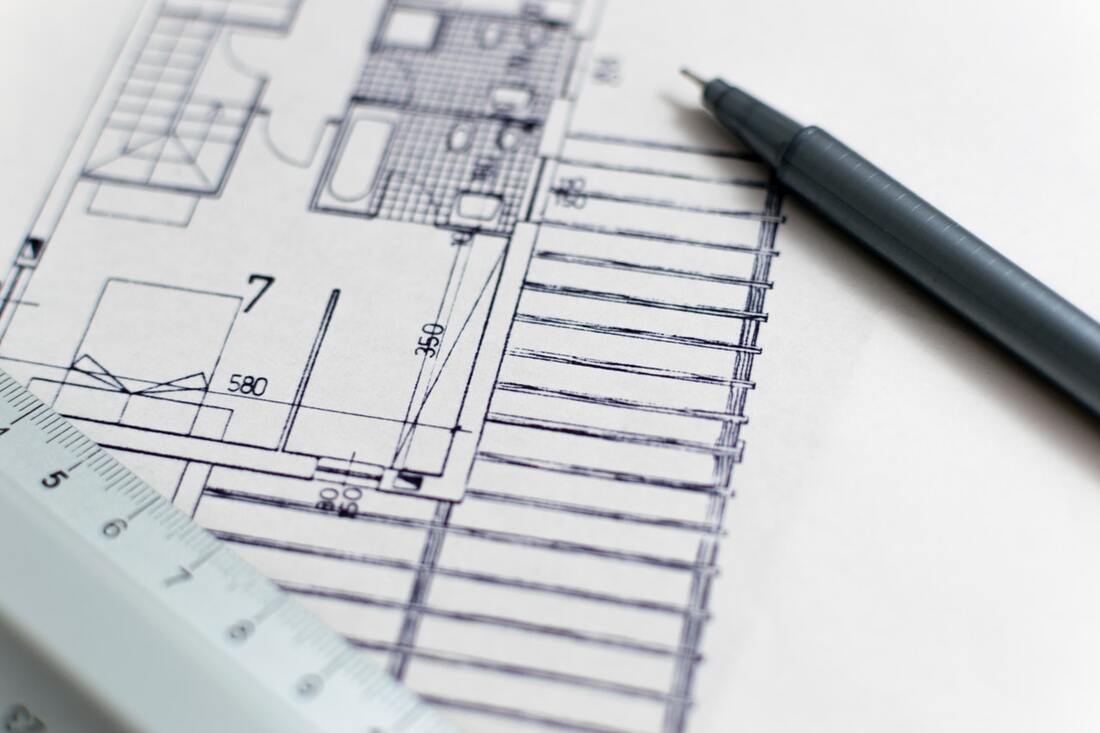
1. ASSESS YOUR ASSETS: Begin by conducting a comprehensive assessment of the assets within your strata scheme. This includes buildings, common areas, infrastructure, equipment, and any other tangible assets under your management. Take note of their current condition, age, and expected useful life. Document all relevant information, such as warranties, maintenance records, and inspection reports. 2. IDENTIFY KEY OBJECTIVES AND PRIORITIES: Clearly define the objectives and priorities of your asset management plan. Consider factors such as health and safety compliance, energy efficiency, resident satisfaction, and financial sustainability. Establish specific goals, both short-term and long-term, that align with the overall vision and objectives of your strata Building. 3. ESTABLISH MAINTENANCE AND INSPECTION PROTOCOLS: Develop a systematic approach to asset maintenance and inspections. Determine the frequency and type of inspections required for each asset, considering industry best practices, regulatory requirements, and manufacturer recommendations. Implement preventive maintenance programs to identify and address issues before they escalate. 4. BUDGETING AND FINANCIAL PLANNING: An essential aspect of asset management is allocating appropriate funds for maintenance, repairs, and replacements. Create a comprehensive budget that accounts for routine maintenance, emergency repairs, and future replacements. Consider establishing a sinking fund or reserve fund to ensure sufficient funds are available when major asset replacements are required. 5. DOCUMENT POLICIES AND PROCEDURES: Create clear and concise policies and procedures that outline how assets should be managed, maintained, and repaired within your strata Building. Document guidelines for inspections, reporting, and decision-making processes. Ensure that all relevant stakeholders, including strata committee members, strata managers, and contractors, are familiar with these policies and procedures. 6. MONITORING AND REVIEW: Regularly monitor the performance of your assets and evaluate their condition against predetermined benchmarks and targets. Review maintenance records, inspection reports, and financial data to identify trends and potential areas for improvement. Periodically reassess and update your asset management plan to ensure it remains aligned with evolving needs and best practices. 7. ENGAGE QUALIFIED PROFESSIONALS: Engaging qualified professionals, such as strata managers, building inspectors, and specialised contractors, can greatly enhance your asset management efforts. Their expertise and experience can provide valuable insights and recommendations, ensuring that your assets are effectively managed and maintained. Developing and utilising a simple asset management plan is essential for the effective management of assets within your strata Building. By assessing your assets, setting clear objectives, establishing maintenance protocols, budgeting wisely, documenting policies, and regularly monitoring performance, you can optimise asset performance, extend their lifespan, and make informed decisions. Remember to engage qualified professionals for guidance and leverage their expertise throughout the process. With a well-structured asset management plan in place, your strata Building can operate efficiently, maximise value, and provide a safe and comfortable environment for residents.
Disclaimer: This blog provides general information and should not be considered legal or financial advice. The specific requirements and considerations for developing an asset management plan may vary depending on the unique circumstances of your strata Building. It is advisable to consult professionals, including strata managers and legal advisors, for specific guidance tailored to your strata scheme's needs.
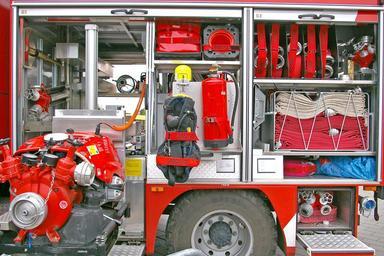
1. Evolving Regulations and Standards: One significant factor contributing to increased costs is the evolving regulations and standards related to fire safety and compliance. As authorities and industry bodies enhance safety requirements, strata schemes are required to invest in updated equipment, systems, and procedures to meet these higher standards. These improvements often come with a higher price tag, leading to increased costs for strata schemes. 2. Specialised Expertise and Training: Fire services require specialised expertise and training to ensure compliance and maintain the safety of residents. The demand for qualified professionals and technicians with in-depth knowledge of fire safety has increased, leading to higher costs for their services. Strata schemes must engage qualified contractors and companies to meet regulatory requirements, which can contribute to higher expenses. 3. Equipment and Maintenance Costs: Fire safety equipment, such as fire alarms, extinguishers, sprinkler systems, and emergency lighting, must be regularly maintained and serviced to ensure their effectiveness. The costs associated with purchasing, installing, and maintaining these systems can be substantial, especially in larger strata schemes. Additionally, compliance regulations may require more frequent inspections and testing, leading to increased expenses. 4. Complexity of Compliance: Compliance with fire safety regulations has become increasingly complex, with additional requirements and documentation. Strata schemes must navigate a web of legal obligations, by-laws, and regulatory standards, often requiring the assistance of legal professionals or specialised consultants. The expertise and time required to ensure compliance can contribute to higher costs for strata schemes. 5. Insurance and Liability Considerations: Insurance premiums for strata schemes have risen due to the increased focus on fire safety and compliance. Insurance provider’s factor in the risks associated with inadequate fire safety measures when determining premiums. The need for comprehensive insurance coverage to protect against potential liabilities further adds to the financial burden on strata schemes. The rising costs of fire services and compliance in NSW strata schemes are driven by evolving regulations, specialised expertise requirements, equipment and maintenance expenses, the complexity of compliance, and insurance considerations. Strata schemes must allocate appropriate budgets to meet these growing costs and prioritise the safety of residents.
To mitigate the impact of rising costs and budget blowouts, it is crucial for strata schemes to engage in proactive planning, regular maintenance, and seek competitive quotes from reputable service providers. Strata committees should also explore cost-saving measures, such as bulk purchasing, negotiating service contracts, and implementing energy-efficient solutions. Furthermore, collaborating with knowledgeable strata managers and seeking legal advice can help strata schemes navigate the complexities of fire services and compliance, ensuring they remain compliant while managing costs effectively. Disclaimer: This blog provides general information and should not be considered legal or financial advice. The specific costs and circumstances related to fire services and compliance can vary between strata schemes. It is advisable to consult professionals, including strata managers, legal advisors, and financial experts, for specific guidance regarding the unique requirements of your strata scheme.
Strata Manager:
A strata manager acts as a professional intermediary between the owners corporation and the individual lot owners within a strata scheme. Their primary responsibility is to administer and oversee the day-to-day operations and legal obligations of the strata scheme. Here are some key aspects of a strata manager's role: a. Administrative Duties: Organising and conducting meetings, including Annual General Meetings (AGMs) and Extraordinary General Meetings (EGMs). Maintaining records and ensuring compliance with legal requirements. Preparing and distributing meeting agendas, minutes, and other relevant documentation. b. Financial Management: Collecting levies and managing the strata scheme's financial accounts. Preparing budgets, financial statements, and managing financial transactions. Engaging with auditors and overseeing financial audits. c. Compliance and Legal Obligations: Ensuring compliance with the Strata Schemes Management Act 2015 and related regulations. Providing advice on by-laws, governance, and dispute resolution processes. Managing insurance policies and claims on behalf of the strata scheme. Building Manager/Caretaker: A building manager or caretaker, on the other hand, is responsible for the day-to-day maintenance and operation of a specific building within a strata scheme. Their primary focus is on managing the physical aspects of the building and providing services to the residents. Here are some key aspects of a building manager/caretaker's role: a. Building Maintenance and Repairs: Overseeing the maintenance and upkeep of common areas, such as lobbies, elevators, and recreational facilities. Organising repairs, inspections, and maintenance work as required. Addressing resident concerns related to building maintenance and repairs. b. Resident Services: Assisting residents with inquiries, complaints, and requests. Managing access control systems and security measures. Coordinating waste management and cleaning services. c. Facilities Management: Managing service contracts, including cleaning, landscaping, and security services. Monitoring and maintaining equipment, such as HVAC systems and fire safety measures. Implementing health and safety protocols within the building. While both roles are vital in the management of strata schemes, it is essential to recognise the distinction between a strata manager and a building manager/caretaker. A strata manager focuses on administrative and financial aspects, ensuring compliance with legal requirements, while a building manager/caretaker is responsible for the day-to-day operations and maintenance of the building. By understanding the unique responsibilities of each role, strata scheme residents and property owners can better engage with the relevant professionals and ensure effective management of their properties. Disclaimer: This blog provides general information and should not be considered legal advice. Specific roles and responsibilities may vary depending on individual strata schemes and agreements. It is advisable to consult legal professionals or relevant industry experts for precise guidance regarding specific strata management matters.
1. Shortage in Housing Supply:
The statistics reveal a concerning shortage in the supply of housing in Australia. The value of building work and the number of dwellings commenced and completed often fall short of meeting the growing demand from the population. This imbalance between supply and demand leads to increased competition for available housing, driving up prices and making affordability a major challenge for many Australians. 2. Increased Demand Factors: Several factors contribute to the increased demand for housing, exacerbating the shortage in supply. One significant factor is the rise in visitor arrivals, including tourists, international students, and migrants. The influx of people seeking accommodation places additional strain on the already limited housing market. Moreover, internal migration from rural areas to capital cities and regional centres further intensifies the demand for housing. 3. Impact on Affordability: The shortage in housing supply directly impacts affordability, making it increasingly difficult for individuals and families to secure suitable and affordable housing. High demand and limited supply drive up property prices and rents, creating a housing market that is out of reach for many. The affordability crisis not only affects low-income households but also impacts middle-income earners who are increasingly finding it challenging to enter the housing market. 4. Government Intervention: To address the housing supply shortage and alleviate the affordability crisis, government intervention is essential. The government needs to take proactive measures to stimulate housing construction in capital cities and regional centres across Australia. This can be achieved through policies and initiatives that incentivize developers, streamline planning processes, and provide financial support for the construction of affordable housing options. 5. Focus on Capital Cities and Regional Centres: It is crucial for the government to prioritize housing construction in both capital cities and regional centres. While capital cities face significant housing supply challenges, regional centres also require attention to accommodate population growth and prevent urban sprawl. Encouraging housing construction in regional areas can help decentralize population growth and promote economic development in those regions. The statistics on the value of building work and the number of dwellings commenced, completed, under construction, and in the pipeline highlight the pressing issue of housing supply shortage in Australia. This shortage, coupled with increased demand driven by factors such as visitor arrivals, has contributed to the affordability crisis. To address this crisis, government intervention is necessary to stimulate housing construction in capital cities and regional centres. By implementing supportive policies and initiatives, the government can increase housing supply, promote affordability, and ensure that all Australians have access to suitable and affordable housing options. Addressing the housing supply challenge is crucial for creating a more equitable and sustainable housing market in Australia. We will be keeping an eye on the next release of data which is due on 12/7/23 https://www.abs.gov.au/statistics/industry/building-and-construction/building-activity-australia/dec-2022
Understanding Lifecycle Planning:
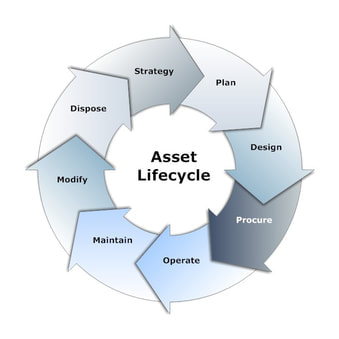
Lifecycle planning involves taking a holistic approach to managing assets throughout their entire lifespan. It encompasses various stages, including acquisition, operation, maintenance, and disposal. By strategically planning for each stage, organizations can optimize asset performance, extend their useful life, and make informed decisions that align with their long-term objectives. The Benefits of Effective Asset Management: 1. Improved Asset Performance: Asset management enables organizations to track, monitor, and analyse asset performance metrics. This data-driven approach helps identify areas for improvement, implement preventive maintenance measures, and optimize asset utilization. By maximizing performance, organizations can enhance operational efficiency and reduce downtime. 2. Cost Optimization: Asset management involves developing maintenance plans, scheduling repairs, and tracking costs throughout the asset lifecycle. Proactive maintenance practices minimize unexpected breakdowns and reduce repair expenses. Moreover, data-driven decision-making ensures that resources are allocated efficiently, helping organizations optimize their overall budget and minimize unnecessary expenditures. 3. Regulatory Compliance: Asset management plays a critical role in ensuring compliance with relevant regulations and standards. By maintaining accurate records, conducting regular inspections, and adhering to compliance requirements, organizations can mitigate risks and avoid potential penalties or legal issues. 4. Enhanced Decision-Making: Asset management provides organizations with actionable insights and data-driven decision-making capabilities. By analysing asset performance, lifecycle costs, and operational data, organizations can make informed choices regarding repairs, replacements, upgrades, or divestments. This empowers businesses to allocate resources effectively, prioritize investments, and align asset management strategies with their overall objectives. How CiServices Can Assist: CiServices specializes in providing comprehensive asset management solutions to organizations across various sectors. With their expertise and experience, CiServices offers the following services: 1. Asset Assessment and Planning: CiServices conducts thorough assessments of assets, their current condition, and performance. Based on this evaluation, they develop customized asset management plans tailored to each organization's unique requirements. 2. Maintenance and Repair Strategies: CiServices assists organizations in developing proactive maintenance strategies to maximize asset performance and minimize downtime. This includes developing preventive maintenance schedules, implementing condition-based maintenance practices, and optimizing spare parts inventory. 3. Data Analytics and Performance Monitoring: CiServices leverages advanced data analytics tools to gather and analyse asset performance data. By monitoring key performance indicators, they identify trends, predict failures, and recommend strategies to improve asset performance and longevity. 4. Compliance and Regulatory Support: CiServices ensures organizations remain compliant with industry regulations and standards. They assist in maintaining accurate asset records, conducting inspections, and implementing processes that align with legal requirements. Effective lifecycle planning and asset management are critical for organizations looking to optimize asset performance, reduce costs, and maximize value. CiServices offers comprehensive solutions, leveraging data-driven insights and expertise to assist organizations in achieving their asset management goals. By implementing proactive maintenance strategies, leveraging advanced analytics, and ensuring regulatory compliance, CiServices empowers businesses to make informed decisions that enhance asset performance, minimize downtime, and drive operational efficiency. Collaborating with CiServices enables organizations to unlock the full potential of their assets, leading to sustainable growth and long-term success.
1. Streamlined Regulation and Consumer Protection:
The Property Services Commission aims to streamline the regulation of property services, including the management of strata schemes. By centralizing oversight and regulation, the Commission enhances consumer protection and ensures that property services providers comply with the prescribed standards and codes of conduct. This translates into greater accountability and transparency for strata schemes, fostering a more secure and well-managed living environment for residents. 2. Improved Professionalism and Competency: The Commission's establishment brings a heightened focus on professionalism and competency within the property services sector. Strata schemes will benefit from the requirement for property services providers to meet specific qualifications, adhere to ethical standards, and undergo ongoing professional development. This emphasis on professionalism ensures that strata schemes are managed by competent and knowledgeable professionals who are equipped to handle the complexities of strata management effectively. 3. Dispute Resolution and Mediation: The Property Services Commission plays a vital role in facilitating dispute resolution and mediation for strata schemes. In situations where conflicts arise between strata schemes and property services providers, the Commission provides a dedicated avenue for resolution. This helps to minimize disputes, foster amicable resolutions, and maintain harmonious relationships within strata communities. 4. Licensing and Compliance: Under the purview of the Commission, property services providers, including strata managers, will be subject to licensing and compliance requirements. This ensures that strata schemes engage licensed and accredited professionals who meet the necessary standards and qualifications. By working with licensed providers, strata schemes can have confidence in the expertise and integrity of the professionals managing their affairs. 5. Enforcement and Penalties: The Commission possesses the authority to enforce compliance with regulations and standards set out for property services providers. This includes the power to investigate and impose penalties for breaches of legislation. Through effective enforcement, the Commission helps maintain a level playing field, ensuring that property services providers operate within the prescribed legal framework and act in the best interests of strata schemes. The establishment of the Property Services Commission in NSW represents a significant step forward in the regulation and oversight of property services, including the management of strata schemes. By streamlining regulation, enhancing consumer protection, and fostering professionalism, the Commission brings numerous benefits to strata schemes. Strata communities can expect improved transparency, increased competency among property services providers, and access to effective dispute resolution mechanisms. Engaging licensed professionals and adhering to regulatory requirements will further contribute to the overall well-being and smooth operation of strata schemes in NSW. As the Property Services Commission continues its work, the strata sector can look forward to a more regulated and harmonious environment that safeguards the interests of all stakeholders involved.
1. Enhanced Accountability and Quality Assurance:
The Design and Building Practitioners Act NSW places a greater emphasis on accountability within the building industry. It requires building practitioners involved in the design and construction of buildings to comply with prescribed standards and codes of practice. This ensures that strata schemes and owners corporations can have greater confidence in the quality and safety of their buildings. 2. Building Inspections and Certification: Under the Act, mandatory inspections and certifications are required at various stages of the construction process. This includes mandatory design compliance declarations and building completion declarations. These inspections and certifications are intended to identify and address any potential defects or non-compliance early on, providing better protection for strata schemes and owners corporations. 3. Duty of Care and Defect Reporting: The Act introduces a statutory duty of care for building practitioners, requiring them to exercise reasonable care and skill in the provision of their services. This duty extends to both the initial construction phase and subsequent maintenance and repairs. It also includes obligations for reporting and rectifying any defects identified within a building. This provides an additional layer of protection for strata schemes and owners corporations, ensuring that any defects are identified and addressed promptly. 4. Building Information and Documentation: The Act emphasizes the importance of maintaining comprehensive and accurate building information and documentation. Building practitioners are now required to provide as-built plans, specifications, and other relevant information to owners corporations upon completion of a building. This information enables strata schemes to better understand the building's design, construction, and ongoing maintenance requirements, facilitating more effective management and decision-making. 5. Remedies for Defective Buildings: The Act also introduces provisions for remedies in cases where defective building work is identified. This includes extended warranties and statutory periods within which owners corporations can make claims for rectification. These remedies provide strata schemes and owners corporations with avenues for seeking redress in the event of significant defects or non-compliance with building standards. The Design and Building Practitioners Act NSW has significant implications for strata schemes and owners corporations in terms of accountability, quality assurance, and consumer protection. By enhancing the accountability of building practitioners, mandating inspections and certifications, and introducing remedies for defects, the Act aims to improve the overall quality and safety of buildings within the strata sector. Strata schemes and owners corporations should familiarize themselves with the Act's requirements and engage qualified professionals to ensure compliance and protect their interests. By embracing these changes, the strata sector can create a safer, more transparent, and better-regulated built environment for all stakeholders involved.
Understanding ISO 55000 for Strata Building Management:
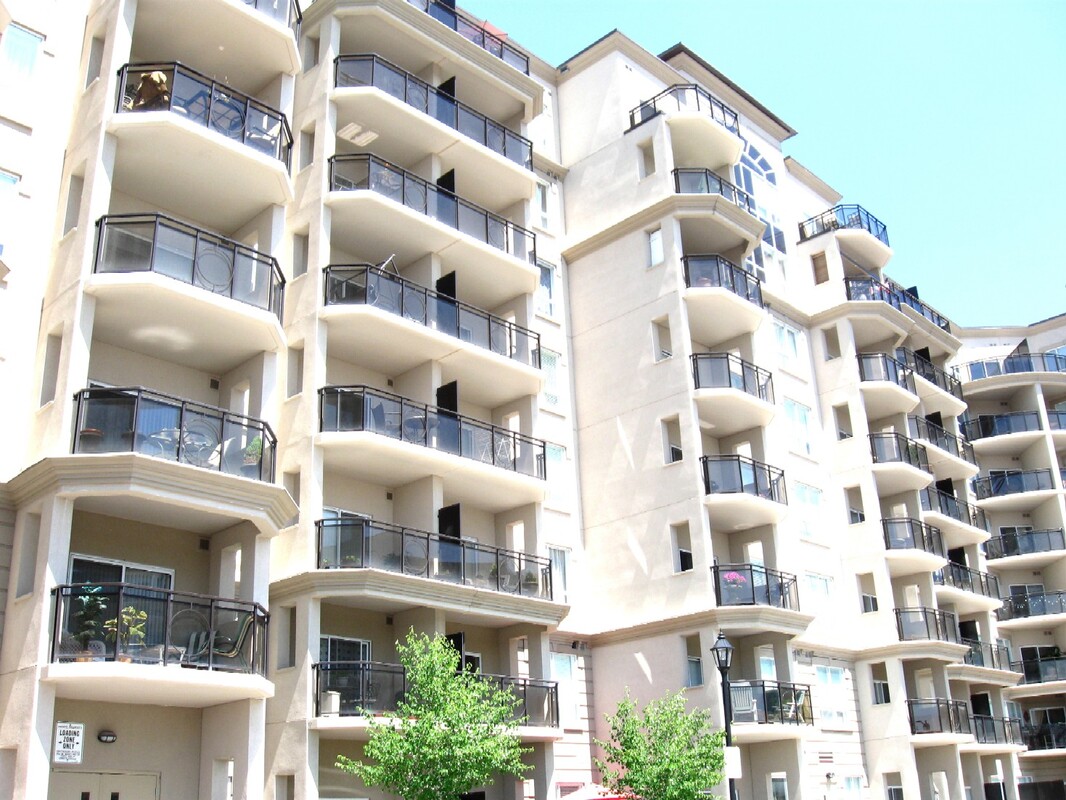
ISO 55000 provides a structured framework for effective asset management, which is highly applicable to the unique challenges of strata buildings. This international standard encompasses key principles and best practices, including lifecycle planning, risk management, and performance optimization. By aligning with ISO 55000, CiServices ensures that strata buildings in NSW benefit from a systematic and proactive approach to asset management. Case Study: Optimizing Asset Performance and Reducing Costs Let's examine a real-life case study to illustrate how CiServices successfully implemented ISO 55000 principles to manage a strata building in NSW. Case Study: NOVA Apartments NOVA Apartments is a medium-sized strata building comprising residential units, common areas, and shared amenities. The strata scheme was facing challenges related to rising maintenance costs, outdated systems, and low occupant satisfaction. 1. Assessment and Planning: CiServices conducted a comprehensive assessment of NOVA Apartments, analyzing its assets, current condition, and performance indicators. This evaluation provided valuable insights to develop a tailored asset management plan aligned with ISO 55000. 2. Lifecycle Planning and Cost Optimization: CiServices developed a proactive lifecycle plan for NOVA Apartments, taking into account maintenance, repairs, and upgrades. By strategically planning and budgeting for necessary improvements, the strata building was able to optimize costs, reduce downtime, and enhance asset performance over time. 3. Risk Management and Compliance: ISO 55000 emphasizes risk management as an integral part of asset management. CiServices conducted a thorough risk assessment of NOVA Apartments, identifying potential hazards and developing strategies to mitigate risks. This approach ensured compliance with safety regulations and safeguarded the well-being of residents. 4. Performance Monitoring and Continuous Improvement: CiServices implemented a robust performance monitoring system, utilizing advanced data analytics tools to track key performance indicators (KPIs) such as energy consumption, maintenance response times, and resident satisfaction. This data-driven approach enabled proactive decision-making and continuous improvement of asset performance. 5. Enhancing Resident Experience and Value: CiServices collaborated closely with the strata committee and residents of NOVA Apartments to understand their needs and expectations. By addressing concerns, implementing effective communication channels, and enhancing shared amenities, CiServices significantly improved resident satisfaction, fostering a positive living environment and increasing the overall value of the strata building. Conclusion: Effective management of strata buildings in NSW requires a holistic and proactive approach that aligns with international best practices. CiServices, leveraging ISO 55000, demonstrates a successful case study of how the standard can be applied to optimize asset performance, reduce costs, and enhance resident experience. By conducting thorough assessments, developing lifecycle plans, mitigating risks, and monitoring performance, CiServices helps strata buildings achieve sustainable success. Collaborate with CiServices to harness the power of ISO 55000 and elevate your strata building management in NSW. Optimizing Building Assets with ISO 55000: Reducing Costs and Boosting Revenue with CIServices7/5/2023
1. Understanding ISO 55000:
ISO 55000 is an international standard that provides a framework for effective asset management. It encompasses three core components: ISO 55001 (Asset Management System Requirements), ISO 55002 (Guidelines for Asset Management), and ISO 55003 (Requirements for the Management of Assets). These standards help organizations streamline asset management processes, enhance decision-making, and achieve improved performance. 2. Comprehensive Asset Management: CIServices applies ISO 55000 principles to implement comprehensive asset management strategies. We conduct thorough assessments to identify your building assets, their current condition, and their performance metrics. This enables us to develop tailored plans and strategies to optimize asset utilization, extend their lifespan, and reduce operational costs. 3. Lifecycle Planning and Cost Optimization: ISO 55000 emphasizes the importance of lifecycle planning for assets. CIServices takes a proactive approach, considering the entire lifecycle of your building assets, from acquisition to disposal. By strategically planning for maintenance, repairs, and replacements, we help you optimize costs, minimize downtime, and avoid unexpected expenses. This approach ensures that your assets are efficiently managed, reducing the total cost of ownership over time. 4. Data-Driven Decision Making: ISO 55000 encourages organizations to leverage data for decision-making. CIServices employs advanced data analytics tools to gather and analyze asset performance data, maintenance records, and financial information. This data-driven approach enables us to identify trends, predict asset failures, and make informed decisions about maintenance, upgrades, and replacements. By maximizing asset performance and minimizing downtime, we help you boost revenue and enhance customer satisfaction. 5. Revenue Enhancement Opportunities: ISO 55000 not only focuses on cost reduction but also provides opportunities for revenue enhancement. CIServices identifies untapped potential within your building assets and explores innovative ways to generate additional revenue streams. This may include optimizing space utilization, identifying leasing opportunities, implementing energy efficiency measures to reduce utility costs, or exploring partnerships for asset monetization. Conclusion: ISO 55000 serves as a guiding framework for CIServices to optimize building assets, reduce costs, and increase revenue for our clients. By leveraging this internationally recognized standard, we deliver comprehensive asset management strategies that streamline operations, extend asset lifespan, and drive financial performance. Through proactive lifecycle planning, data-driven decision-making, and identifying revenue enhancement opportunities, CIServices helps you unlock the true potential of your building assets. Partner with us to leverage ISO 55000 and achieve sustainable success in asset optimization, cost reduction, and revenue growth. |





 RSS Feed