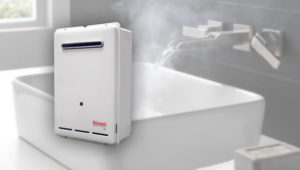
Rinnai hot water heaters are typically tankless, working on a demand-only basis. This means that instead of continuously heating a large tank of water, these units heat water on-demand as it flows through the system. The operation begins when a hot water tap is turned on, signaling the unit to activate. Water enters the heater and passes through a heat exchanger, which is warmed by a gas burner. The heat exchanger, in turn, heats the water to the desired temperature. The heated water then flows directly to the faucet or appliance that initiated the demand. This on-demand heating results in significant energy savings compared to traditional tank systems, as energy is not wasted to maintain the temperature of stored water. Troubleshooting: Why Might a Rinnai Hot Water Heater Leak? While Rinnai hot water heaters are designed for durability, issues such as leaks may occur over time due to various reasons.
Options for End-of-Life Replacement or Repair When a Rinnai hot water heater reaches the end of its useful life or if repairs are not cost-effective, you have several options:
Rinnai hot water heaters, with their on-demand operation, offer a blend of convenience, efficiency, and reliability. Understanding their operation, common issues like leaks, and knowing your options when it's time to replace or repair can help you make informed decisions to ensure a steady supply of hot water in your home. Always consult with a professional when dealing with repair or replacement to ensure safety and effective operation of your hot water system.
Comments are closed.
|
Archives
July 2025
Categories |
RSS Feed